The Marketing System Behind Sustainable Business Growth
Great marketing is rarely the result of one campaign, one advert, one social post or one clever idea. More often, it comes from a connected system that brings together strategy, technology, content, search visibility, relationships, data and performance.
When each part of your marketing works together, activity becomes more purposeful. It is no longer just a collection of separate tasks, but a system that builds momentum over time and supports sustainable business growth.
For many businesses, marketing can feel fragmented. A blog is written here, a social post is published there, paid ads are switched on when enquiries slow down, and the website is updated only when something needs fixing. Each of these areas can be valuable on its own, but they become far more effective when they are connected by a clear direction.

Marketing Works Best When Everything Connects
Modern marketing has a lot of moving parts. Your website, SEO, social media, email marketing, paid advertising, content, analytics and customer journey all influence how people discover, understand and trust your business.
When these areas are treated separately, results can become inconsistent. You may be visible on one platform but difficult to find through search. You may be creating regular content, but without a clear route back to enquiry. You may be driving traffic to your website, but not giving visitors enough reason to take the next step.
A connected marketing system helps bring everything together. It makes sure every channel has a purpose, every message supports the wider brand, and every touchpoint moves people closer to action. At Digity, this joined-up approach sits at the heart of our digital marketing strategy service, helping businesses create marketing activity that is structured, measurable and built around clear goals.
Strategy Gives Every Part of Your Marketing Direction
Before any marketing activity begins, there needs to be clarity. Who are you trying to reach? What do they care about? What problem are you solving? What makes your business different? What action do you want people to take?
Without strategy, marketing can quickly become guesswork. A strong strategy gives every part of your activity a clear role, from your website structure and SEO focus to your social media content, email marketing and paid advertising campaigns.
It also helps businesses avoid creating content just for the sake of it. Instead, every piece of activity is created with purpose, whether that is increasing visibility, generating enquiries, supporting brand awareness, educating potential customers or improving conversion.
This is why strategy is the foundation of sustainable growth. It gives the rest of the system something to work from.
Infrastructure Helps Turn Attention Into Action
Your marketing infrastructure is what supports everything behind the scenes. This includes your website, landing pages, tracking, forms, email systems, automation, CRM processes, analytics and digital tools.
It is easy to focus only on what people see, such as the posts, adverts, graphics and copy. However, if the infrastructure behind your marketing is not working properly, you may be missing opportunities. A business might be running a strong social media campaign, but sending people to a website page that is slow, unclear or difficult to navigate. Another business may be generating enquiries, but not tracking where they came from, making it harder to understand what is actually working.
Good infrastructure helps turn interest into action. Your website design should support the customer journey, make key information easy to find and give people a clear reason to enquire. Without that foundation in place, even the best campaign can lose momentum.
Discoverability Puts Your Business in Front of the Right People
People cannot choose your business if they cannot find you. Discoverability is about making sure your brand appears in the places your audience is already searching, scrolling and making decisions.
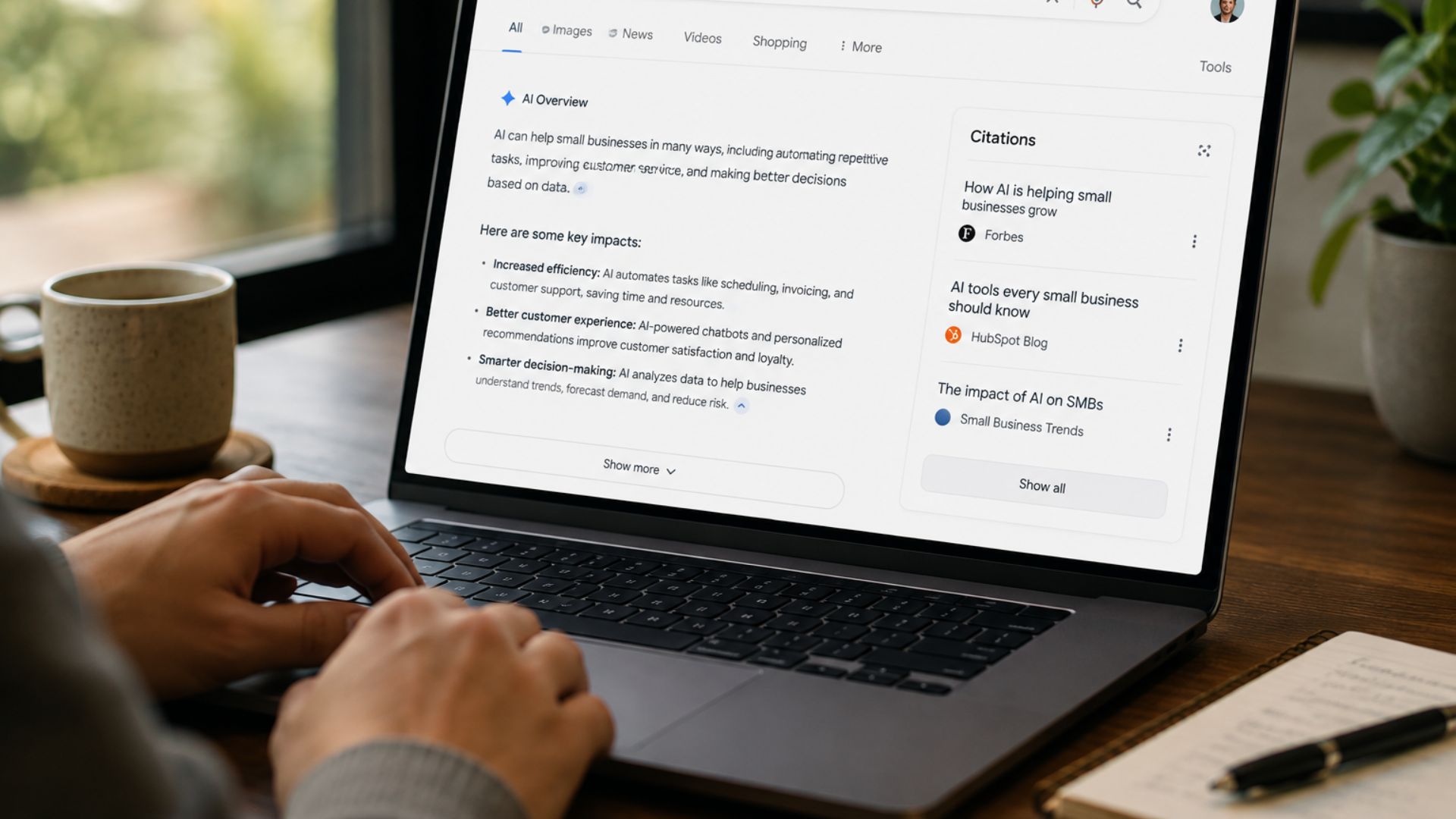
That includes search engines, social media platforms, Google Business Profile, blog content, online directories, paid search, digital PR and AI-led search results. SEO plays a major role here, helping your website appear for relevant searches and bringing people to your business when they are actively looking for what you offer.
However, discoverability is no longer limited to Google alone. People are searching across Instagram, LinkedIn, TikTok, YouTube, AI tools and local listings, which means your content, captions, website pages and wider online presence all need to work together. A strong SEO strategy and consistent content creation approach can help make your business easier to find, easier to understand and easier to trust.
The stronger your discoverability, the more opportunities you create for the right people to enter your marketing system.
Relationships Turn Visibility Into Trust
Visibility is important, but trust is what moves people forward. Your audience may come across your business several times before they enquire. They might visit your website, read a blog, follow you on LinkedIn, see a case study, receive an email, watch a video or come across a review.
Each touchpoint helps shape how they feel about your brand. This is where relationship-led marketing becomes essential, because not everyone is ready to buy or enquire the first time they discover you.
Content, social media marketing, email marketing and consistent brand messaging all help nurture interest over time. They keep your business visible, useful and memorable, so that when the time is right, your brand is already familiar and trusted.
This is especially important for businesses with longer decision-making journeys, higher-value services or relationship-led sales processes.
Intelligence Helps You Make Better Decisions
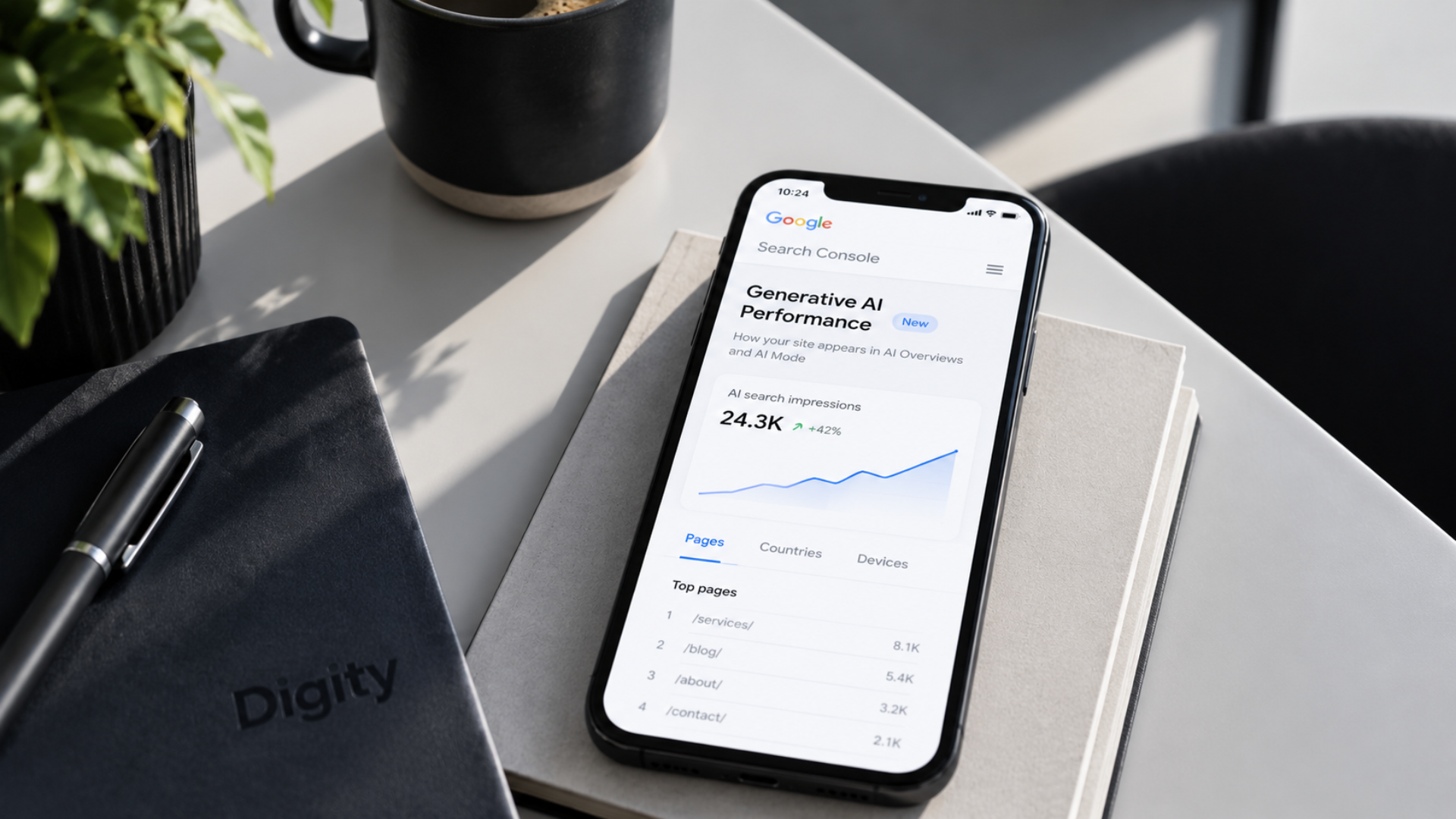
Marketing should not rely on assumptions. Data and analytics give businesses the insight needed to understand what is working, what needs improving and where the best opportunities are.
This may include website traffic, keyword rankings, enquiry sources, paid advertising performance, social media engagement, email open rates, conversion rates and user behaviour. When this information is reviewed properly, it becomes much more than numbers on a report. It becomes direction.
You can see which channels are driving interest, which pages are performing well, which campaigns are producing results and where people may be dropping off. This is where analysis and insights become valuable, helping businesses make informed decisions rather than relying on guesswork.
A connected marketing system does not just create activity. It learns from it.
Performance Is Built Through Continuous Improvement
Sustainable growth does not happen overnight. It comes from consistent activity, regular testing and ongoing optimisation.
Marketing should be reviewed, refined and improved over time. That could mean updating website pages, improving SEO content, testing ad creative, adjusting campaign messaging, refreshing email journeys or reviewing social media performance.
The businesses that see long-term results are often the ones that keep improving. They do not treat marketing as something that is finished once a campaign goes live. They feed it, measure it, improve it and scale what works.
Over time, this creates momentum. The more you understand what is working, the better you can strengthen each part of the system.
Why One-Off Marketing Rarely Creates Lasting Growth
A single campaign can create a spike in attention, but without a wider system behind it, that attention can quickly disappear. For example, a paid advertising campaign may drive traffic, but if the website does not convert, the opportunity is weakened. A blog may attract visitors, but without internal links, strong calls to action or a clear next step, the journey can end there.
The same applies to social media. A post may perform well, but without consistency, a clear message and a wider content strategy, it may not build a lasting connection with the audience.
This is why businesses need more than isolated marketing activity. They need a structure that connects each part of the journey. Your blogs can improve SEO and feed social content. Your social posts can drive website traffic. Your website can support enquiries. Your email marketing can nurture leads. Your analytics can show what needs improving.
When everything works together, marketing becomes stronger.
Building a System That Supports Sustainable Growth
A strong marketing system does not mean doing everything at once. It means understanding which moving parts matter most for your business and making sure they work together properly.
For some businesses, the priority may be improving website performance and search visibility. For others, it may be building stronger content, generating more qualified enquiries, increasing brand awareness or creating better customer journeys.
The key is connection. Your strategy should guide your activity. Your website should support conversion. Your SEO should improve visibility. Your content should build trust. Your social media should keep your brand active. Your email marketing should nurture relationships. Your analytics should guide improvement.
Together, these parts create a marketing system that can adapt, evolve and grow with your business.
The Digity Approach
At Digity, we believe great marketing is not just about creating noise. It is about building a system that compounds over time.
We connect strategy, infrastructure, discoverability, relationships, intelligence and performance to help businesses create more consistent, measurable and sustainable growth. From SEO and website design to content creation, social media marketing, email marketing, paid advertising, analysis and insights and AI optimisation, every part of the system has a role to play.
When your marketing works together, it becomes easier to build momentum, improve results and create long-term value. If your marketing feels disconnected, inconsistent or difficult to measure, it may be time to look at the system behind it.
We think you'll also like...

CAN WE HELP?
Get in touch
If you'd like to explore the themes within this post further or discuss any of our marketing services, feel free to get in touch to find out how we can potentially help: