Resources
Free Tools.
We've created these downloads to help improve key areas of your digital marketing. If you'd like us to take control and boost your impact,
get in touch.
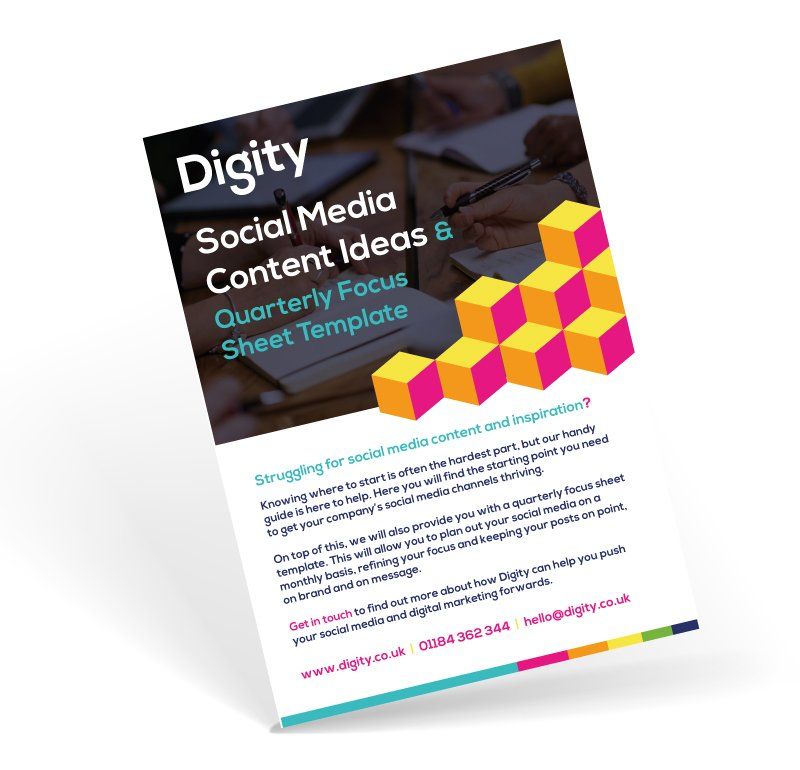
Social Media Content Ideas & Quarterly Focus Sheet Template
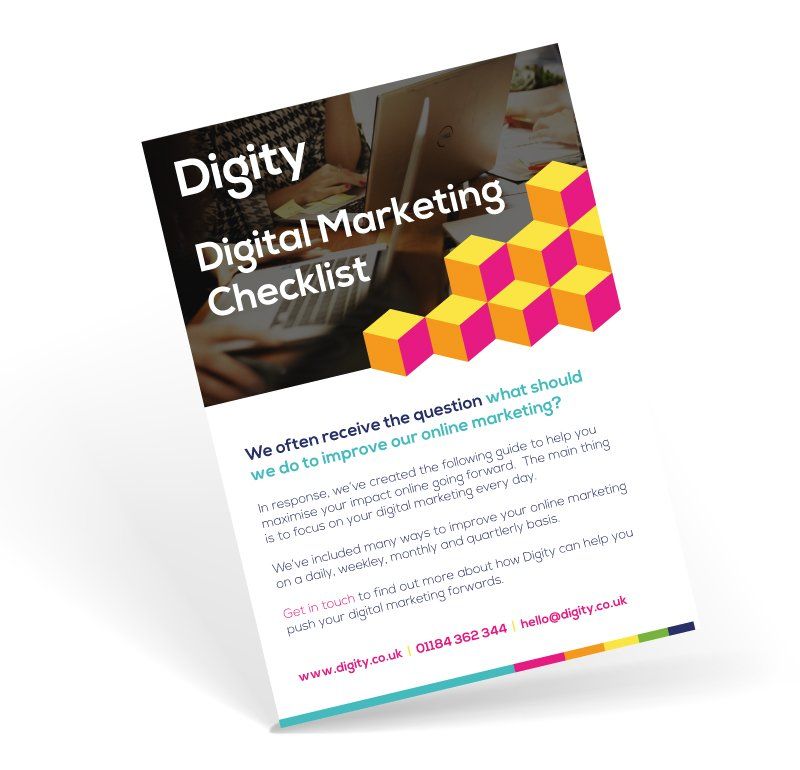
The Daily, Monthly, Quarterly Digital Marketing Checklist
Blogs
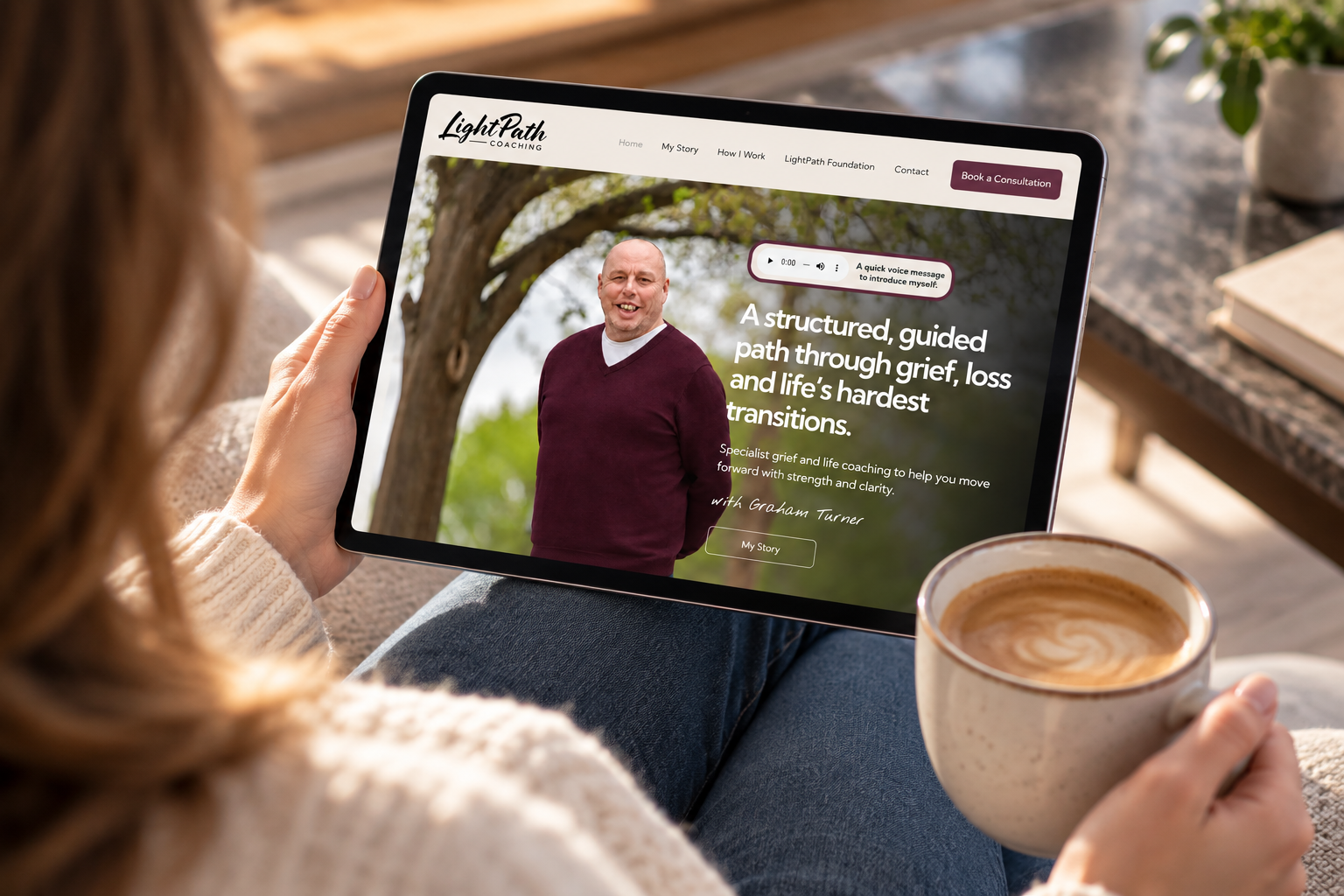
See how Digity supported the launch of LightPath Coaching with brand creation, website design, content, social assets and strategic marketing support.
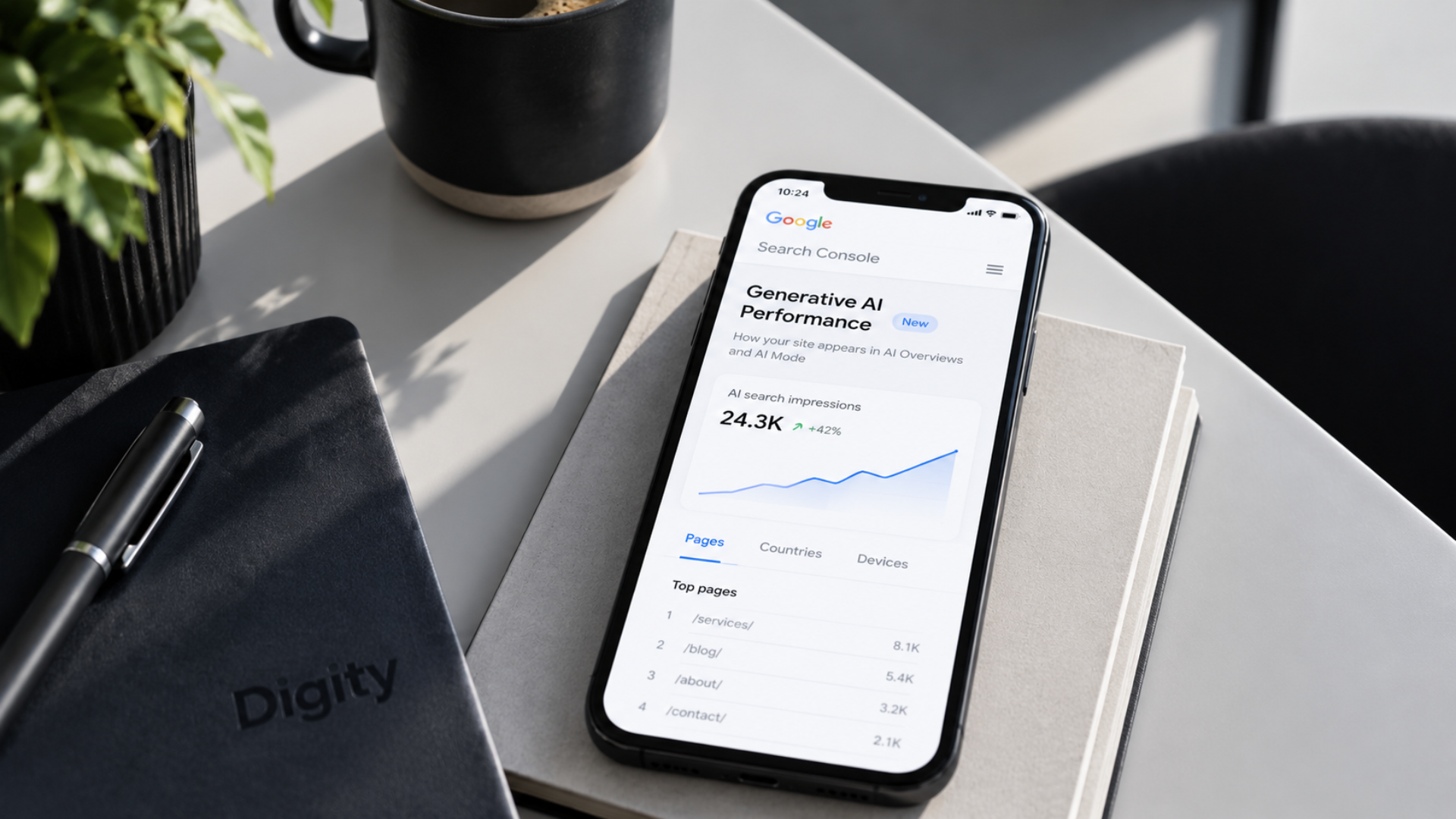
Google Search Console now reports AI search visibility. Discover what the Generative AI Performance report shows and how businesses can use the data.
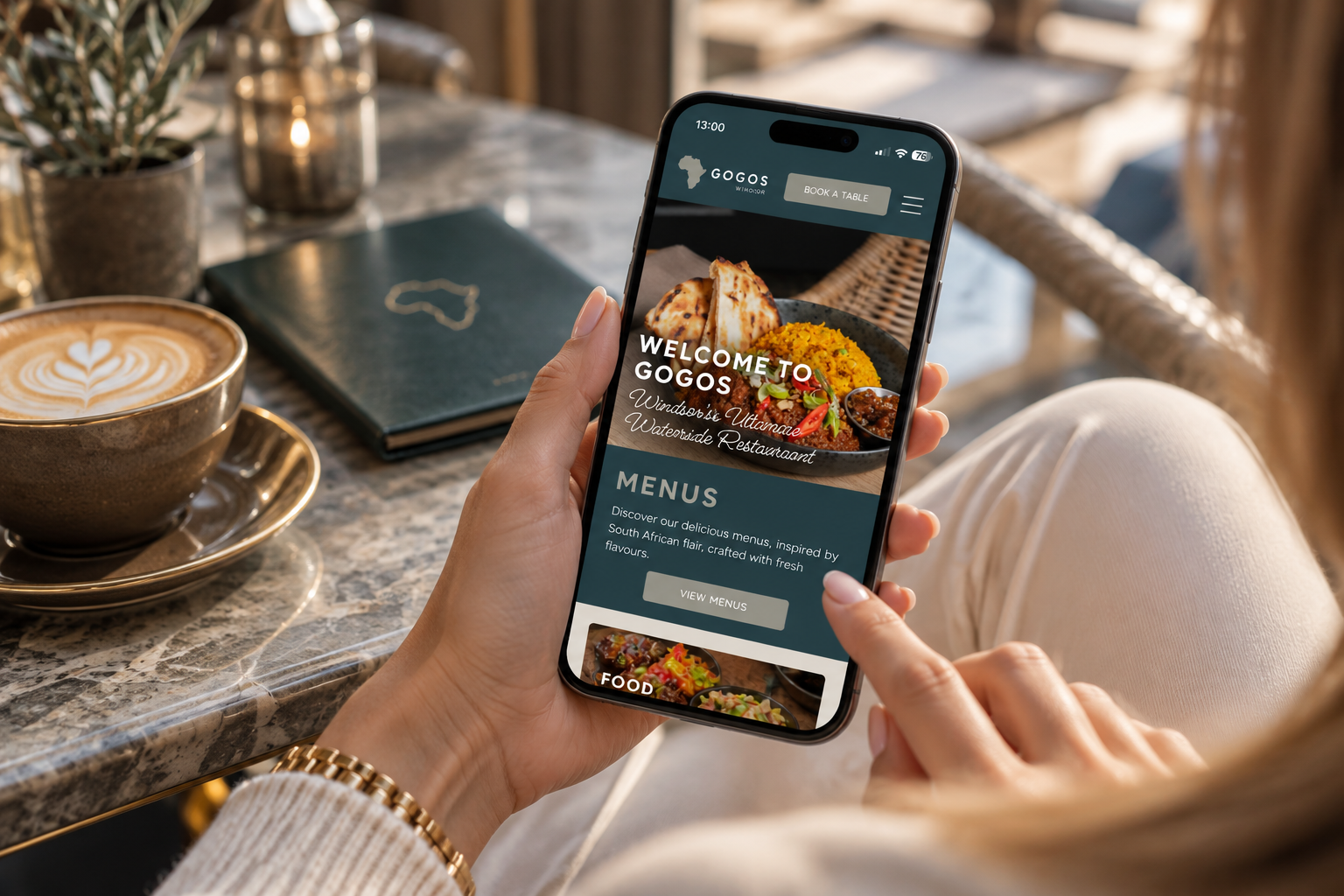
See how we refreshed the GOGOS Waterfront Restaurant website with a modern mobile-first design, online booking, menus, private hire and more.

Discover what frontlinks are, how they differ from backlinks and why brand mentions, reviews and third-party credibility could matter for AI search visibility.
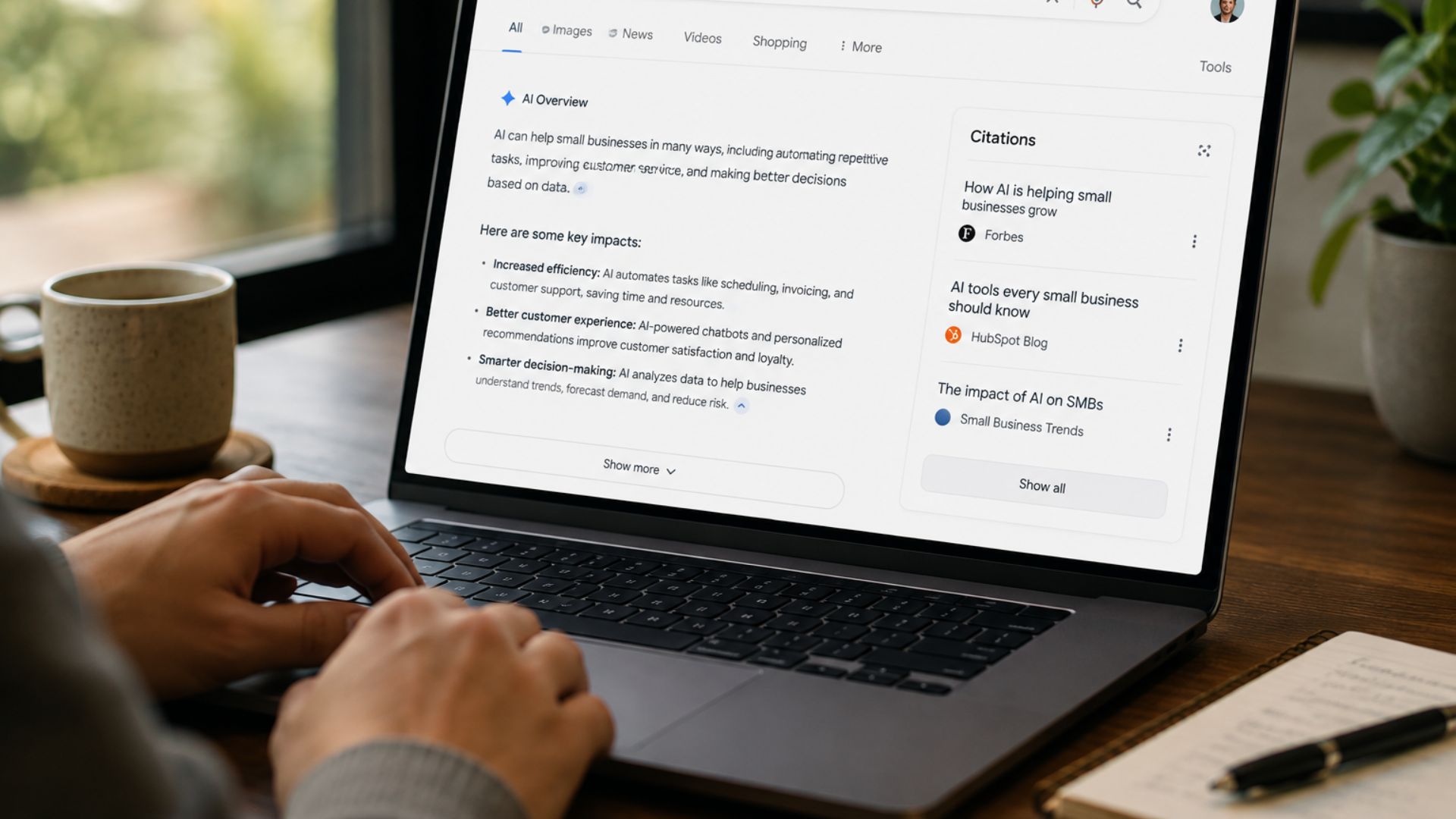
Google is making citations more visible in AI Overviews and AI Mode. Discover what the update means for SEO, website traffic and AI search visibility.
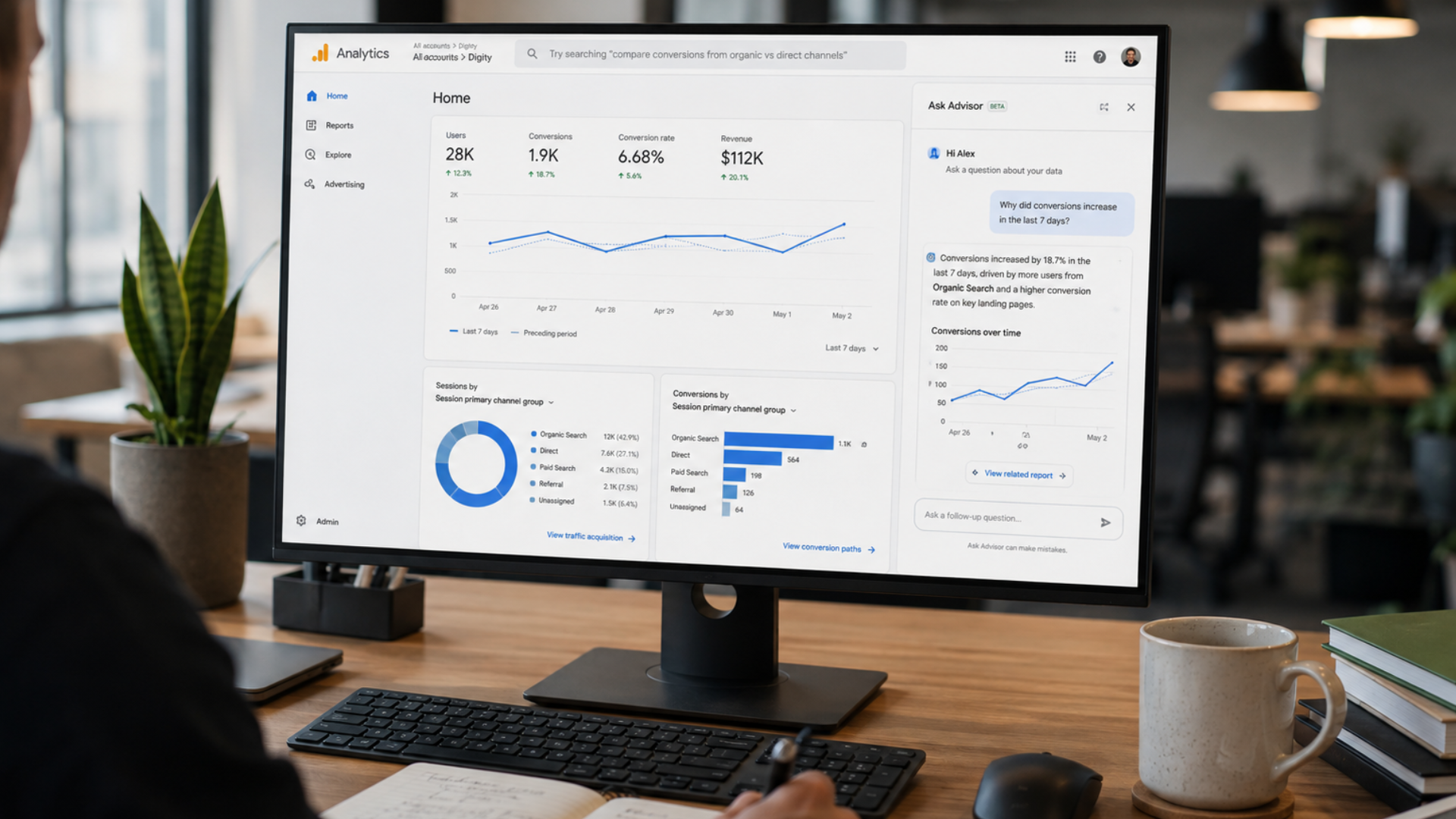
Discover how Google Analytics Ask Advisor uses AI to help businesses understand performance, spot trends and turn GA4 data into clearer insights.
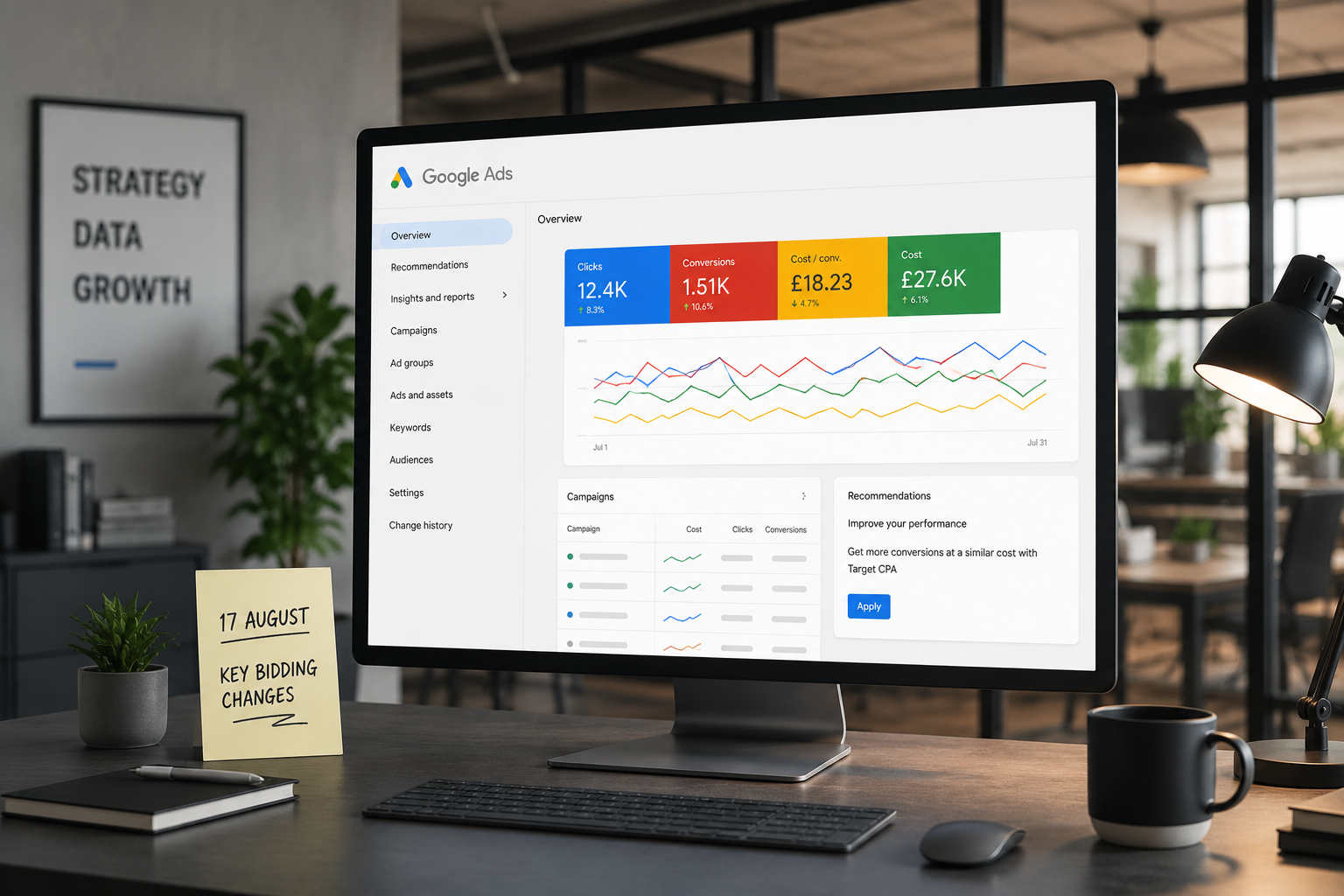
Google is changing how budget-limited campaigns use Target CPA and Target ROAS. Learn what is changing and how to prepare before 17 August 2026.

Sustainable growth needs more than one-off campaigns. Discover how strategy, SEO, content, social media, data and performance work together as one marketing system.
I've seen more and more people utilising chatGPT (or other AI tools) to generate LinkedIn posts and it made me think...why? Where is the need to bring AI into the mix, when your posts should represent you - not an AI version of you. Then I was invited to beta test a new tool and it changed my mind completely. This tool (more details coming soon), didn't just write me a bunch of posts for me to blindly copy and paste - it interviewed me about topics I live and love. It probed my thoughts and helped me articulate them into a set of social posts and guess what... - people positively engaged - my reach grew - more people answered my messages - it got me over the hump of writing posts with no passion, energy or insight and it gave me posts I would like to read So...am I a sell out? Short term - absolutely. Longer term - we'll see. What has done is got me to post in LinkedIn a lot more than I was and with content I'm happy for people to read/interact with/judge accordingly. That's a massive step forward for me on the personal front. It got me thinking about the pros and cons in general for others looking to utilise these new tools, so I asked my chatGPT for the pros and cons. Here's what it came up with: Pros 1. Consistency becomes realistic Most professionals know they should post regularly but don’t have the time or energy. AI lowers the activation energy: faster drafting easier idea expansion easier repurposing less fear of the blank page That consistency matters on LinkedIn because visibility compounds over time. 2. Better structure and clarity A lot of smart people are poor at packaging ideas. AI helps turn: rambling thoughts technical expertise scattered notes meeting insights into readable posts with: strong hooks clean flow concise phrasing clear takeaways For professionals with genuine expertise, AI can act like an editor rather than a creator. 3. More leverage from existing knowledge AI is very good at: summarising long thoughts extracting themes generating variations adapting tone for different audiences One real experience can become: a post a thread a client insight a newsletter intro sales enablement content That’s valuable for consultants, founders, recruiters, marketers, and operators. 4. Helps non-writers participate Some people have deep expertise but struggle with: confidence writing fluency English proficiency tone AI lowers those barriers and makes professional communication more accessible. 5. Reduces emotional friction LinkedIn posting is psychologically uncomfortable for many people: fear of sounding stupid fear of judgment perfectionism over-editing AI can help people move from “thinking” to “publishing.” Cons 1. Homogenisation This is the biggest problem already appearing. AI pushes people toward the same: cadence phrasing storytelling structure emotional tone vocabulary You start seeing: “One thing I learned…” “Here’s the truth…” “Most people don’t realize…” “Game changer” “Let that sink in” The result is a flattening of professional identity. 2. Loss of actual thinking AI can make people appear thoughtful without doing much thinking. Some professionals start outsourcing: synthesis framing articulation reflection Eventually the content becomes: polished persuasive strategically empty This is dangerous because LinkedIn rewards presentation more than depth. 3. Trust erosion People are becoming increasingly sensitive to “AI smell”: generic inspiration vague authority synthetic vulnerability over-optimized storytelling If someone’s entire presence feels machine-generated, credibility can quietly decline. Especially for: founders consultants coaches executives agencies where trust is the actual product. 4. Inflated expertise AI makes it easy to sound competent in areas where someone lacks depth. That creates: shallow thought leadership misinformation recycled insights fake authority ecosystems LinkedIn already had this issue; AI accelerates it dramatically. 5. The personal moat disappears Before AI, strong writing itself was differentiation. Now: everyone can sound polished, everyone can mimic authority, everyone can produce volume. So differentiation shifts toward: original experience unique perspective real-world execution specificity reputation evidence The future advantage is less “good writing” and more “provable insight.” The healthiest use of AI on LinkedIn The strongest professional use is usually: human experience, human judgment, AI-assisted refinement. Weak use: “Generate me a viral LinkedIn post.” Strong use: “Here’s what happened in a client meeting. Help me structure the insight clearly.” The difference is whether AI is replacing thinking or amplifying it. Used well, AI acts like: editor strategist clarity partner brainstorming assistant Used poorly, it becomes: personality replacement credibility cosplay content spam engine And audiences are getting better at telling the difference.